Kitesurfing holidays: how to plan around the wind
You can't book the wind, but you can stack the odds in your favour. The month, the spot and a few things you sort out before you fly make most of the difference.
Kitesurfing holidays never come with guaranteed wind. Choose the month first, then a place that is windiest at that time of year according to long-term statistics, and book at least a week, so a windless day doesn't ruin your whole kite trip.
Before buying flights, I'd check the water too: is it a lagoon or a wave spot, and can you handle those conditions? Then I'd choose somewhere to stay. Gear, baggage and insurance are worth sorting out before you leave home.
Month first, place second
Photos of a destination tell you nothing about the wind, and next week's forecast is no help when you're buying flights months ahead. For planning you need statistics. Windfinder shows average wind speed by month for many spots, based on weather station readings taken during daytime hours only.
Here is how much the months differ, using Windfinder averages for a few well-known places:
| Place | Windfinder station and years of data | Windiest months | Weakest month |
|---|---|---|---|
| Fuerteventura | Sotavento, 2004-2021 | July 22 knots (11.3 m/s), August 20 knots (10.3 m/s) | December 12 knots (6.2 m/s) |
| Dakhla, Western Sahara | Dakhla Airport, 2004-2026 | July 21 knots (10.8 m/s), June 20 knots (10.3 m/s) | December 12 knots (6.2 m/s) |
| Bonaire, Caribbean | Bonaire Airport, 2000-2026 | May and June 16 knots (8.2 m/s), at least 14 knots (7.2 m/s) from January to July | November 11 knots (5.7 m/s) |
| Jericoacoara, Brazil | Jericoacoara, 2005-2015 | September 15 knots (7.7 m/s), October and November 14 knots (7.2 m/s) | May 6 knots (3.1 m/s) |
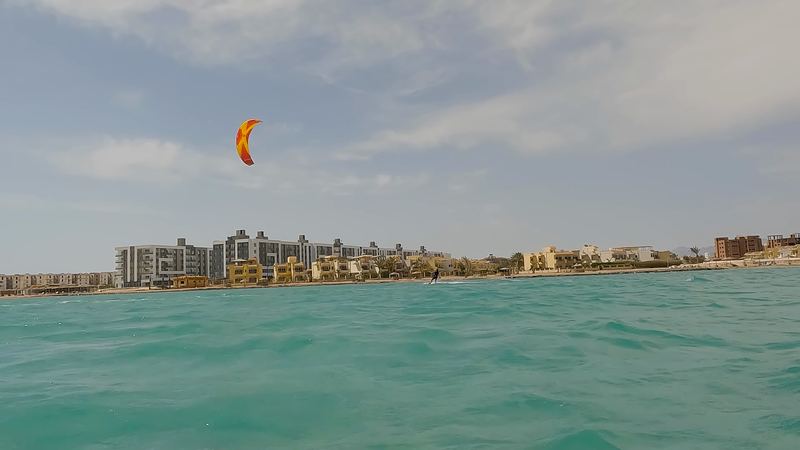
| El Gouna, Egypt | El Gouna Kiteboarding Club, 2006-2026 | October 14 knots (7.2 m/s) | December 10 knots (5.1 m/s) |
At the El Gouna station, monthly averages across the year fall within 10-14 knots (5.1-7.2 m/s), rounded to whole knots. The October peak applies to this station, not necessarily to every spot nearby.
Read the table for the differences between months. In Fuerteventura July is much windier on average than December, and Dakhla looks similar. The figure comes from daytime measurements; it doesn't tell you how strong the wind will be during your session.
Where the station stands matters too. Windfinder points out that a station can sit in a wind shadow for some directions and read different wind from what you get on the water. I'd treat the statistics as a first filter. Then look at the actual spot: where the wind comes from, where you launch and whether it blows along the beach or off it.
For Egypt there's a month-by-month look at the best time to kitesurf in Egypt.
How many days to book
At least a week. Even in the windiest month there are usually days with no wind, or wind that's too strong for your level or equipment, and on a long weekend a day like that takes a big bite out of the trip.
Before your first session, ask the local school or experienced locals where to launch and land, where the shallows and currents are, and which areas are off limits. Check the tides and how the wind behaves near the beach too. Once you're on the water, get used to the conditions within the area you've already checked.
A week helps your progression for another reason too: when there's wind, you ride day after day. You can practise what worked yesterday again today, instead of waiting for the next windy weekend at home.
Wind and water for your level
Wind speed is only part of the picture. Where it blows from and what the water is like matter just as much.
- Wind direction. Onshore blows from the sea onto the beach, offshore from the beach out to sea, side-shore along the beach. Most riders are happiest in side-shore or side-onshore wind, provided the spot and conditions suit their level. Offshore carries you away from the beach; I'd choose a different wind direction for a kite holiday. A boat being there is no reason to head out. Onshore pushes you and your kite back towards the shore and makes it hard to get out.
- Water. For learning, I'd look for flat water without waves. Waves and chop, those short messy ripples, are harder work. If chop is holding you back at home, look for a lagoon, but check its depth and bottom too.
- Depth and bottom. Water you can stand in can help when learning waterstarts, getting up out of the water onto the board. Jumps and tricks with a landing need enough depth; don't jump in the shallows. Check the bottom and depth before riding, allowing for low tide too. Reef shoes don't make coral and rocks safe to hit.
- Crowds. A well-known spot in high season can have a lot of kites in the air, and you have to factor that into every launch and every run. Uncrowded spots tend to be further from the airport or reachable only by boat.
At a new spot I care most about the small things. Where you launch, where to park, what's in the water, whether there's rescue cover and what the wind does when it blows off a forest, over buildings or round a hill. Those small things decide whether it'll be a good session.
If you've finished a course and still aren't confident with self-rescue, which means getting yourself and your gear back to shore when something goes wrong, book a refresher lesson with an instructor. Until you can self-rescue and pack down your gear in the water, arrange to ride under their supervision. A rescue boat is extra support; it doesn't replace that skill. At an unfamiliar spot you'll use everything a good course should teach you: reading the wind, sizing up the spot and handling a tricky situation.
Gear, baggage, insurance and money
- Your own gear or rental. You know your own kites and what to expect from them. Renting saves the baggage fee and the hauling, but gear on site can vary a lot in age. Before deciding whether to rent or bring your own kite gear, check the rental equipment's condition and available sizes. Use the kite size calculator to compare rough estimates for several expected wind strengths, using your weight, board and level. Don't choose your whole quiver from a monthly average; check the ranges for your kite model, local conditions and, before flying, the forecast including gusts.
- Baggage. For flights with kite gear, check the kite bag fee and weight limit for your airline and fare before buying the ticket.
- Insurance. Before buying kitesurfing travel insurance, find kitesurfing in the sports list and check the conditions of cover. It may need a higher-risk sports add-on, as it does with AXA Assistance in the Czech Republic. The name of the travel insurance alone tells you too little.
- Budget. On top of flights and accommodation, add rental or the kite bag fee, and possibly a course, transport to the spot and insurance. For an organised trip, check what's charged separately from the base price too.
On your own, with friends, or organised
Going on your own gives you the most freedom. You go where you like, and if there's no wind you move somewhere else. On the other hand you sort out everything yourself, from the car and the spot to who catches your kite when you land.
With friends, you can arrange to help each other launch and land. If you have nobody to go with and are choosing an organised week or a kite camp, ask about the other riders' levels and whether the programme covers what you want to practise. That gives you something useful to go on when choosing a group.
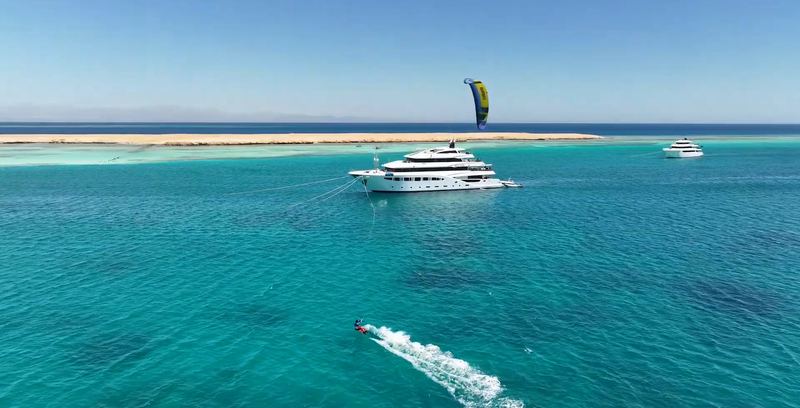
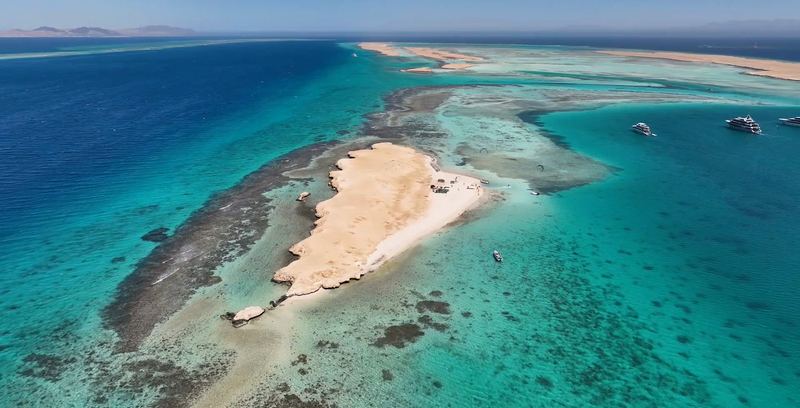
An organised week makes the most sense when you want to progress and don't want to deal with logistics. I've been on the kite safari in Egypt several times. It runs 8 days and 7 nights. On top of the base price, allow for flights, a visa and mandatory fees with crew tips. The boat chooses an island each day based on the wind, the programme includes a morning and an afternoon session, and in the evening there's video coaching where the instructors go through your riding. Beach boys help with your gear, launching and landing, and there's a rescue boat on the water. You get the most out of a week like that if you already ride on your own after a course and want to move up a level.
What to do when there's no wind
Start watching the forecast about a week before you leave and check it every day once you're there. On an island the wind on the other side can be quite different, so it pays to have a car or to know where you could move.
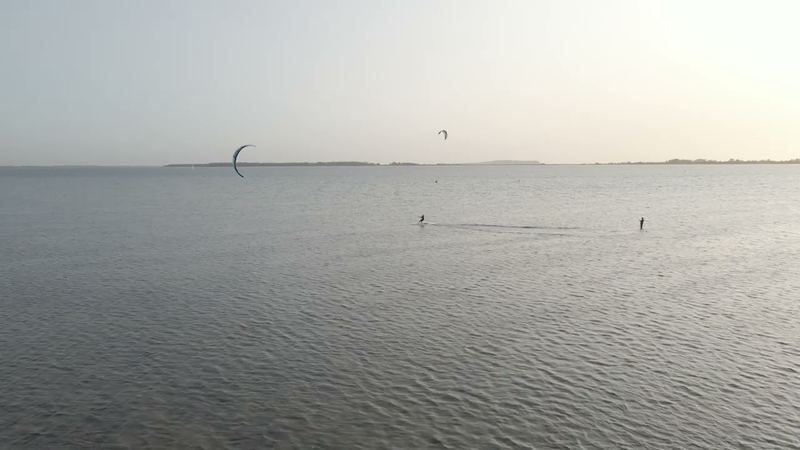
If you have a bigger kite or a hydrofoil for light wind, bring it. I've ridden a Kitech FRS 15m foil kite in light wind on Lake Milada back home, and it works the same way on a trip: with a bigger kite or a hydrofoil the weak days are still rideable.
After a few days on the water your arms and back will usually welcome a day off. It's a good day for snorkelling, a trip or a rest.
Before you book
- Wind statistics for the actual spot and month, not the whole country.
- Wind direction at the spot and whether it's safe for your level.
- Water and bottom: lagoon, waves, coral, shallows.
- Lessons or supervision arranged for your level, and confirmed rescue cover.
- Your airline's fee for a kite bag.
- Kitesurfing in your travel insurance policy.
- A plan for days without wind.
Questions
When and where should I go on a kitesurfing holiday?
Pick the month first, then a place that is windiest in that month according to long-term statistics. Windfinder averages put Fuerteventura and Dakhla at their windiest in summer (July 21-22 knots, 10.8-11.3 m/s), Bonaire from January to July and Jericoacoara in Brazil from September to November.
How long should a kitesurfing holiday be?
At least a week. Even in the windiest month you will get days without wind, and on a long weekend a day like that takes a big bite out of the trip.
Does travel insurance cover kitesurfing?
Kitesurfing may need a higher-risk sports add-on, as it does with AXA Assistance in the Czech Republic. Before buying, check the wording and sports list for your specific policy. The name of the travel insurance alone tells you too little.
What wind direction is best for a kite trip?
For most riders, side-shore or side-onshore, provided the spot and conditions suit your level. Offshore wind blows from the beach out to sea and carries you away from shore; I'd choose a different wind direction for a kite holiday. A boat being there is no reason to head out.
Sources
- Average monthly wind speed, Sotavento (Fuerteventura), observations 2004-2021: July 22 knots (11.3 m/s), August 20 knots (10.3 m/s), May 19 knots (9.8 m/s), December 12 knots (6.2 m/s) www.windfinder.com (checked 18 October 2026)
- Dakhla is in Western Sahara; average monthly wind speed, Dakhla Airport, observations 2004-2026: July 21 knots (10.8 m/s), June 20 knots (10.3 m/s), December 12 knots (6.2 m/s) www.windfinder.com (checked 18 October 2026)
- Average monthly wind speed, Bonaire International Airport, observations 2000-2026: January to July 14-16 knots (7.2-8.2 m/s), May and June 16 knots (8.2 m/s), November 11 knots (5.7 m/s) www.windfinder.com (checked 18 October 2026)
- Average monthly wind speed, Jericoacoara, observations 2005-2015: September 15 knots (7.7 m/s), October and November 14 knots (7.2 m/s), December 12 knots (6.2 m/s), May 6 knots (3.1 m/s) www.windfinder.com (checked 18 October 2026)
- El Gouna Kiteboarding Club station, observations 2006-2026: highest monthly average in October at 13.83 knots (7.1 m/s), lowest in December at 10.35 knots (5.3 m/s); annual range rounded to whole knots is 10-14 knots (5.1-7.2 m/s) www.windfinder.com (checked 18 October 2026)
- Windfinder computes its statistics from station measurements during daytime hours only; accuracy depends mainly on where the station is, which can sit in a wind shadow for some directions www.windfinder.com (checked 18 October 2026)
- AXA Assistance in the Czech Republic lists kitesurfing as a higher-risk sport requiring an add-on and refers readers to the full sports list and policy wording for the product www.axa-assistance.cz (checked 18 October 2026)
- Kite safari 2026: 8 days / 7 nights, morning and afternoon sessions, video coaching in the evening, the boat picks islands by conditions, beach boys help with gear, launching and landing, rescue boat; flights, visa and fees with crew tips are outside the base price paradisekitesurf.cz (checked 18 October 2026)
- IKO Discovery: assessing the spot and wind is taught on land before entering the water www.ikointl.com (checked 18 October 2026)
- IKO Independent, level 3N: independent riders learn self-rescue and packing down equipment in deep water www.ikointl.com (checked 18 October 2026)
- FLYSURFER SPEED5, section 15.02: check obstacles, shallows, currents, bans and rescue access with locals beforehand; do not jump in water that is too shallow and have someone looking out for you flysurfer.com (checked 18 October 2026)
- DUOTONE Kite Manual 2025, sections 2 and 2.6: seek a school if unsure, avoid offshore winds, check tides and currents and do not ride in wind too strong to maintain precise kite control a.storyblok.com (checked 18 October 2026)
- The calculator accounts for weight, wind, board and level; its estimate is a starting point affected by gusts and the specific kite model kitewithjaja.pages.dev (checked 18 October 2026)
- Video on Jája's channel: Milada, 31 December 2022, Kitech FRS 15m in light wind www.youtube.com (checked 18 October 2026)