Kitesurfing holidays in Europe: where and when to go
For summer, consider the Greek islands, Lo Stagnone or the Baltic. Lake Neusiedl is an option within driving distance of Czechia. Choose by your dates, your level and conditions at the exact launch.
For kitesurfing holidays in Europe, I would choose a spot around the month you can travel and what you can already do on the water. Summer options include Tarifa, the Greek islands in the meltemi, the Lo Stagnone lagoon in Sicily and Sotavento on Fuerteventura. On the Baltic, for example on Poland's Hel peninsula, the season runs from May to September. A wetsuit always goes in the bag. Lake Neusiedl in Austria is within driving distance of Czechia; I would plan that trip around the forecast.
A beginner and a rider who already jumps are looking for different places. For first lessons, I would choose suitable shallows, an instructor and wind blowing diagonally towards the beach with clear space downwind. Experienced riders may want deeper water, waves or room for tricks. Everyone still needs to assess gusts against their skills, equipment and obstacles downwind.
I know Rügen, Lake Neusiedl, Bärwalder See and Sicily from my own sessions. For the other spots I use local guides and operators' rules.
How to tell if a spot suits you
Standing depth. Suitable shallows let you stop and get organised during a lesson. Before riding independently, you need a waterstart, getting onto the board from the water, and the ability to recover your board by bodydragging upwind. That means using the kite to pull you through the water without riding the board. These skills belong in your course even if you learn where you can stand.
Wind direction. Onshore blows straight towards the beach, side-shore along it and offshore out to sea. Direct onshore wind can drag you onto land or obstacles. For lessons, I would look for side-onshore, diagonally towards the beach, at a location chosen by an instructor. Offshore wind carries you away if something goes wrong; a boat being present is not enough reason to learn in it.
Wind strength. Kiters measure wind in knots. 1 knot is 1.852 km/h, or about 0.51 m/s. Forecasts are usually in knots, but in Central Europe we tend to talk in metres per second.
Rules. Almost every big European spot has kite zones, clubs or nature reserves. Before I go anywhere, I check the small things a session depends on: where you launch, where you are not allowed and what is in the water.
Quick overview: where and when
| Spot | When to go | Water | Who it suits |
|---|---|---|---|
| Tarifa, Spain | all year, 2 main winds | open sea, depends on wind and beach | Poniente for intermediates, Levante for experienced riders |
| Prasonisi, Rhodes | summer, meltemi | flat water and waves, narrow shallow strip | advanced riders |
| Lo Stagnone, Sicily | May to September, summer thermals | extensive lagoon shallows, variable depth | lessons with an instructor, tricks where depth allows |
| Leucate, France | depends on forecast and exact spot | sea at Coussoules | strong Tramontana needs experience and support |
| Sotavento, Fuerteventura | summer; check lagoon for your dates | tidal lagoon, variable flooding and depth | lagoon lessons with an instructor, sea for experienced riders |
| Hel and the Bay of Puck, Poland | May to September | extensive shallows at selected beaches | beginners with an instructor |
| Lake Neusiedl, Austria | depends on forecast and school opening | shallow lake | beginners with an instructor and intermediates |
| Lake Garda, Italy | depends on wind, launch and permitted hours | deep water | independent riders under club rules, beginners with a school |
Southern Europe: Tarifa, Greece, Sicily and Leucate
Tarifa
Tarifa revolves around 2 winds. At Valdevaqueros on the Atlantic coast, the easterly Levante blows diagonally away from shore and the westerly Poniente diagonally towards it. I would recommend suitable Poniente conditions with a school for a beginner; arrange rescue cover before riding in Levante. When planning kitesurfing in Tarifa, choose the exact beach, because its orientation changes the wind's angle to shore.
Greece and the meltemi
The meltemi is a northerly summer wind over the Aegean. It often builds in the afternoon, but a strong spell can last through the night and for several days. I would not count on a calm morning. For kitesurfing in Greece, check the forecast and gusts for the particular island.
Prasonisi is at the southern tip of Rhodes. A sandbar separates flat water with offshore wind from the wave side with onshore wind. Arrange rescue with a specific operator and check its hours and coverage before riding. Local school Kite Praso provides it only for supervised activities during operating hours. For first independent sessions, I would choose a lagoon with side-onshore wind.
Lo Stagnone, Sicily
Lo Stagnone is a lagoon between Marsala and Trapani, near Trapani airport. It has extensive shallows and flat water, but depth varies by location. For kitesurfing at Lo Stagnone, I would consider May to September for the warmer northerly thermal wind. Choose a learning area with an instructor and check the depth before practising jumps.
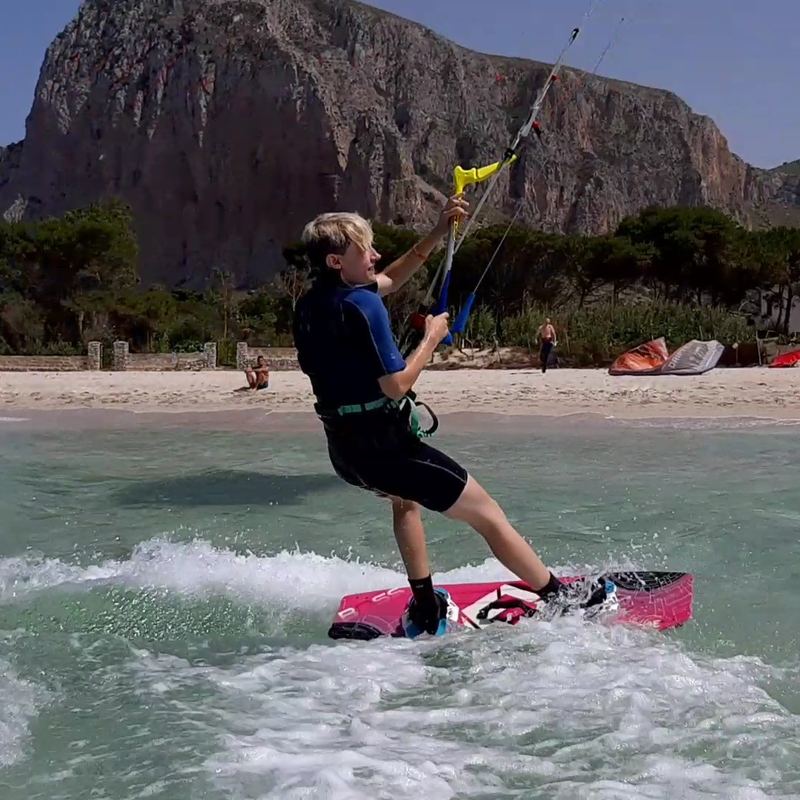
My own Sicily experience includes San Vito lo Capo in June 2022. The Lo Stagnone recommendation here is based on a local school's description.
Leucate, southern France
The main wind to watch in Leucate is the Tramontana, a strong wind from the land. Coussoules beach at La Franqui is a specific sea spot for kiting; check the riding area and rescue arrangements with local club KSL before going out. The lagoon behind Port Leucate is not one shared kite area. Kiting is prohibited at the oyster beds at La Corrège. Expect waves when the Marin blows from the sea.
The Canaries: Sotavento, Fuerteventura
The Canary Islands sit off Africa and belong to Spain. At Sotavento on Fuerteventura, planning kitesurfing in the Canary Islands also means checking the tide. The lagoon fills around the full and new moon; flooding and depth vary. Before booking, open René Egli's lagoon timetable for your travel year. Its figures estimate the deepest points, not the depth across the whole lagoon. Wind here can blow diagonally away from shore. The René Egli centre operates rescue jet skis; agree the terms before riding. For first lessons, check both suitable lagoon water and wind.
The Baltic and the North Sea
Hel and the Bay of Puck
The Hel peninsula separates the Bay of Puck from the open sea. Selected bay beaches have extensive shallows for lessons; let an instructor choose the exact area. Around the peninsula's campsites, west to southwest wind tends to blow along the beach or diagonally towards it, depending on the launch. The season runs from May to September. Bring a wetsuit and choose its thickness for the current water temperature.
Wiek, Rügen
I go to Wiek in the north of Rügen again and again. It has a large standing-depth area for practice, and west and southwest winds suit this launch. Do not assume the same conditions apply across the bay. In June 2025 a good forecast was all it took, even though it meant 9 hours there and back. For kitesurfing on Rügen, I choose the specific spot around the wind direction.
Fehmarn and Brouwersdam
On Fehmarn, choose the shore around the wind direction. Gold has extensive standing-depth water, and the local school recommends west, southwest and northwest wind. I would not plan lessons there in an easterly. Grüner Brink on the north coast works in northeast through northwest wind; easterlies bring waves. Check the marked kite and swimming areas before launching.
Brouwersdam in the Netherlands is a dam between the North Sea and the Grevelingenmeer lake. For water kiting on the sea side, read the Dutch kite association's spot information before travelling and respect the marked areas on site.
Lakes in Central Europe
Lake Neusiedl on the Austrian-Hungarian border is shallow. Podersdorf's kite area is Nord-Nordstrand, the north-north beach. Wear the zone's designated kite shirt visibly and launch and land only in the allocated area. From 10 May to 20 September, riding is prohibited within 200 m of shore; use the marked corridors to enter and leave, without jumping. Read the local rules before travelling. Northwest wind prevails; I would choose dates around the forecast.
Bärwalder See in Saxony occupies a former lignite mine. Before travelling, check the current kite permission, launch and zone map with the lake manager. The website publishes the documents governing use of the lake; I would not plan a session from old descriptions of buoys.
Lake Garda needs planning around the particular launch. Navene near Malcesine operates only in the southerly Ora. The club requires membership, a medical certificate, a valid level 3 kiteboarding licence and liability insurance. The northerly morning Pelèr is therefore not a wind for launching at this spot.
In the Trentino part of Garda, you need an authorised lift: boat transport to open water, launching there and returning by boat. From 1 March to 9 October, the core riding area opens from dawn to 10:30 and after 16:30 until sunset: between Trentino's southern boundary and the line joining Corno di Bò to the former Ponale harbour. After 18:00 it extends farther north as shown in the official map and rules. From 10 October to the end of February, riding is allowed from dawn to sunset throughout the Trentino waters, still outside the 200 m coastal strip. Confirm current restrictions with your lift operator.
How to check a spot before you go
- Statistics for your month. Open the wind statistics for the exact spot on Windguru or Windfinder and look at the month you are travelling, not the yearly average.
- Local rules. Kite zones, clubs, swimming areas and reserves change. Check them on the spot page or with a local school.
- Tides and water temperature. At Sotavento the tide decides everything, on the Baltic and the North Sea the wetsuit does.
- Offshore and alone. Where the wind blows offshore, do not ride without a rescue boat and someone watching from the beach.
Explore more spots and their surroundings on the kite spot map.
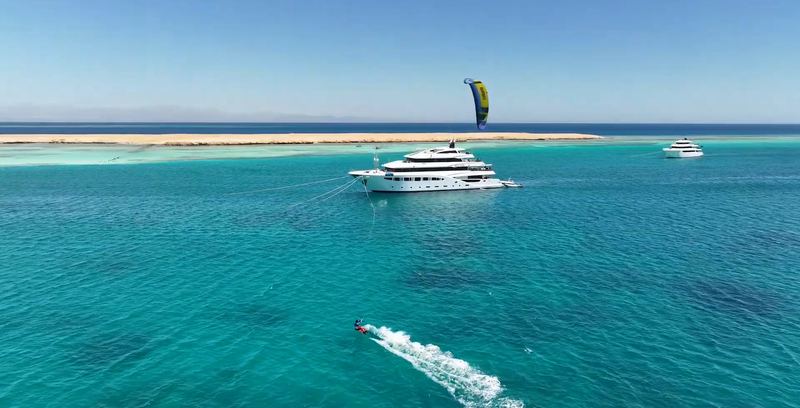
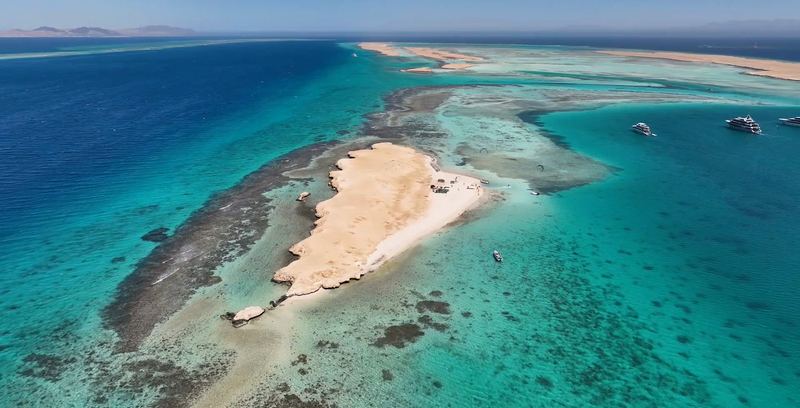
If you want warm water and shallow lagoons in spring or autumn, you can look beyond Europe. I keep going back to a kite safari in the Red Sea; the 2026 schedule lists trips in April, May, October and November. Even when choosing among the best kitesurfing spots in the world, I would start with what you can already do and the conditions you need.
Questions
Where is the best place in Europe to learn kitesurfing?
For first lessons, I would look for a school with suitable shallows and clear space downwind. Lo Stagnone and selected beaches in the Bay of Puck have extensive shallows, but depth varies by location. Being able to stand does not make a spot safe on its own.
When is the best time for a kitesurfing holiday in Europe?
Expect the meltemi in the Aegean in summer; it can blow for several days without a break. May to September brings warmer northerly thermal wind to Lo Stagnone. For the lakes, I would choose dates around the forecast and the local school's operating season.
Is Tarifa good for beginners?
I would recommend lessons in suitable Poniente conditions: at Valdevaqueros it blows diagonally towards the beach. The Levante blows diagonally away from shore there, so arrange rescue cover before going out. Assess conditions for the specific beach with an instructor.
Do I need a wetsuit for kitesurfing in Europe?
Pack a wetsuit for the Baltic and the North Sea. Choose its thickness for the current water temperature, including on Poland's Hel peninsula.
Sources
- Safety: gust and direct-onshore risks, clear downwind space, kite control and school instruction a.storyblok.com (checked 18 October 2026)
- IKO: upwind bodydrag and bodydrag with board at Level 2H, waterstart at Level 2I before independent riding www.ikointl.com (checked 18 October 2026)
- Sotavento: 2026 lagoon timetable estimates the deepest points; flooding and depth depend on tides and natural conditions www.rene-egli.com (checked 18 October 2026)
- René Egli operates a jet ski rescue service and publishes its terms www.rene-egli.com (checked 18 October 2026)
- Bay of Puck: local school uses shallows for lessons and chooses the location and conditions for each exercise www.surfpoint.pl (checked 18 October 2026)
- Brouwersdam: Dutch kite association information for the water kite spot kitesurfvereniging.nl (checked 18 October 2026)
- Trentino Garda, decision 231/2019: authorised lift, 200 m coastal exclusion; 1 March-9 October designated area dawn-10:30 and after 16:30-sunset, extension after 18:00; 10 October-end February dawn-sunset www.altogardakite.it (checked 18 October 2026)
- 1 knot = 1.852 km/h, equivalent to approximately 0.51 m/s oceanservice.noaa.gov (checked 18 October 2026)
- Lo Stagnone between Marsala and Trapani, near Trapani airport; no exact distance adopted without a defined route www.iksurfmag.com (checked 18 October 2026)
- Valdevaqueros in Tarifa is an Atlantic beach: side-offshore Levante, side-onshore Poniente www.ion-club.net (checked 18 October 2026)
- Meltemi: northerly summer wind in the Aegean, often builds in the afternoon, can persist overnight and for several days sailingissues.com (checked 18 October 2026)
- Prasonisi in southern Rhodes: summer meltemi, sandbar separates offshore flat water from onshore waves www.sportif.travel (checked 18 October 2026)
- Kite Praso rescue covers only supervised activities during operating hours, not early morning or sunset sessions outside those hours www.kiteprasonisi.com (checked 18 October 2026)
- Lo Stagnone: flat water and extensive shallows, depth varies by location; May to September brings warmer northerly thermal wind nolimitskite.com (checked 18 October 2026)
- Leucate: strong offshore Tramontana, Marin brings waves; Coussoules is a sea kite spot with KSL support, kiting is prohibited at La Corrège www.tourisme-leucate.com (checked 18 October 2026)
- Sotavento: wind can blow cross-offshore, summer kite destination www.sportif.travel (checked 18 October 2026)
- Hel camps on the Bay of Puck: west to southwest wind along or diagonally towards shore depending on launch, wetsuit recommended se.kiteforum.com (checked 18 October 2026)
- The Hel peninsula separates the Bay of Puck from the open sea en.wikipedia.org (checked 18 October 2026)
- Poland: kite season May to September kitejungle.com (checked 18 October 2026)
- Wiek: extensive standing-depth area, west and southwest winds suit this launch www.ride-and-kite.de (checked 18 October 2026)
- Fehmarn: Gold has standing-depth water and suits west, southwest and northwest wind; Grüner Brink suits northeast through northwest, easterlies bring waves goldkiteacademy.de (checked 18 October 2026)
- Brouwersdam: dam between the North Sea and Grevelingenmeer, water kiting in the marked area on the sea side www.windfinder.com (checked 18 October 2026)
- Podersdorf: Nord-Nordstrand kite area, shallow water and prevailing northwest wind www.podersdorfamsee.at (checked 18 October 2026)
- Podersdorf: zone kite shirt, designated launching and landing; 10 May-20 September no riding within 200 m of shore, entry and exit corridors without jumping www.podersdorfamsee.at (checked 18 October 2026)
- Bärwalder See in Saxony occupies a former lignite mine www.ich-geh-wandern.de (checked 18 October 2026)
- Bärwalder See manager publishes current lake-use documents and a plan; confirm kite permission and launch before travelling baerwalder-see.eu (checked 18 October 2026)
- Navene: only southerly Ora, not northerly morning Pelèr; membership, medical certificate, valid level 3 licence and liability insurance www.kitemalcesine.it (checked 18 October 2026)
- Kite safari dates 2026: 11-18 April, 22-29 May, 10-17 October, 7-14 November paradisekitesurf.cz (checked 18 October 2026)