What is wing foiling and how it differs from kitesurfing
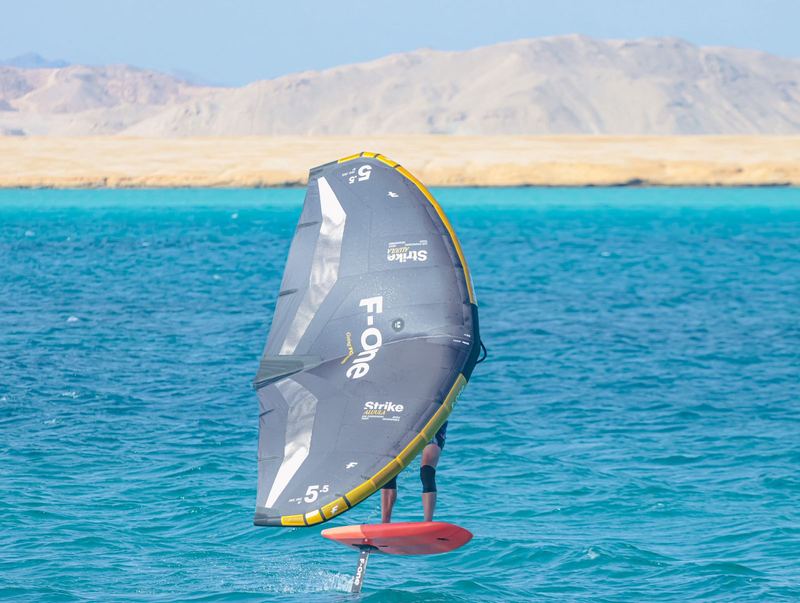
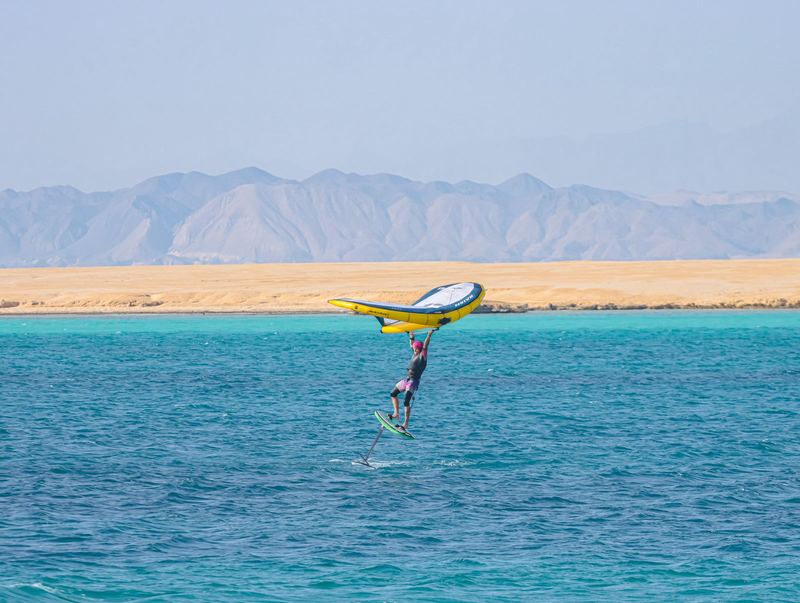
Wing foiling is a wind-powered water sport where you stand on a board with a hydrofoil and hold an inflatable wing directly in your hands, with no lines. It grew out of kitesurfing, windsurfing and surfing, and it works in lighter wind than most kite gear.
Wing foiling is a wind-powered water sport in which you stand on a board with a hydrofoil and hold an inflatable wing directly in your hands. There are no lines and no bar, and the wing is not attached to the board. It developed from kitesurfing, windsurfing and surfing.
The wing itself creates both lift and horizontal force for propulsion. On a foil board the setup rises out of the water early and glides on the hydrofoil with very little friction.
What wing foiling looks like
A wing is a light kite fabric stretched over inflatable tubes. Some brands use struts with loops, others aluminium or carbon rods. You hold it directly, by hand straps or poles.
The board is separate. A wing can be used on a surfboard, a kiteboard, a SUP, and even on a skateboard, snowboard or rollerblades. On a foil board it is the combination that makes the glide possible.
The history is short. In 1981 Jim Drake, the inventor of windsurfing, and Uli Stanciu patented an early wing. Tony Logosz of Slingshot built the first Slingwing prototypes in 2011, Flash Austin tested inflatable wings of 3.5 and 4 m² on Maui in March and April 2018, and Duotone began selling an inflatable wing designed by Ken Winner in spring 2019. From summer 2019 other kite brands followed.
There is a world tour too. The Global Wingsports Association (GWA) has run one since 2021, with four disciplines: surf-freestyle, wave, freefly-slalom racing and big-air.
Wing foil vs kitesurfing in a table
Both sports use wind, and both can put you on a foil. The mechanics and the gear are different, and so is the space you need.
| Wing foiling | Kitesurfing | |
|---|---|---|
| What powers you | Wing held in both hands | Kite on lines, power through a harness |
| Lines | None | 7-33 m, standard around 22 m |
| Launch space | Shops note more accessible launch locations | Lines of 7-33 m need more room |
| Typical wing or kite size | Wings about 2.2-9 m² | Kites most often 5-18 m², quiver of 1-3 kites at 7-12 m² |
| Light wind | Small wings plane at about 8 knots (4 m/s) | Most twintips are hard to ride below 11 knots (6 m/s) |
| Jumps and tricks | Big-air is a GWA discipline | Advanced tricks are easier on a kite, per Northern Kites |
| Gear | Wing, foil board, foil | Kite, bar and lines, board, harness |
The kite side of that table is covered in more detail in what kiting actually is and in the guide to kite foiling.
How much wind is needed
Wing sizes are matched to wind the same way kites are, just with different numbers. Duotone lists 5.5-7.0 m² for weak wind of 10-15 knots (5-8 m/s), 4.5-5.5 m² for medium wind of 15-20 knots (8-10 m/s), and 3.0-4.5 m² for strong wind of 20-30 knots (10-15 m/s).
Rider weight shifts those figures. Duotone notes that riders under 70 kg usually take a smaller wing, while riders over 85 kg often need 0.5-1.0 m² more area. A slightly larger wing makes the water start, stability and progress easier, especially in gusty wind.
On the kite side, LEI kites are most often 5-18 m², with the full range running from 0.7 to 21 m². A kitesurfer usually needs 1-3 kites of 7-12 m². Most twintips and inflatable kites are hard to ride below 11 knots (6 m/s), though a foil board changes that.
Ozone's manual puts wing learning on a SUP or windsurf board at Beaufort 3, which is 7-10 knots (4-5 m/s), with experts on the hydrofoil. At Beaufort 4, 11-16 knots (6-8 m/s), it describes ripping on the hydrofoil, skate or mountain board, ski or snowboard, and cruising on a SUP or windsurf board.
Learning and safety differences
Northern Kites, a UK shop, states that wing foiling is easier to learn and physically less demanding, while kitesurfing is harder to learn and more physically demanding. The same shop says wing gear tends to be cheaper, that wing foiling has more accessible launch spots, and that kitesurfing is less forgiving with a higher risk. These are the shop's views rather than measurements, so treat them as a starting point.
The foil is the part to respect in both sports. Kitemana points out that it is sharp, so a helmet, a long wetsuit and an impact vest are standard. That applies whether the foil sits under a wing or under a kite.
A kite also needs space: its lines run 7-33 m. If you want the fuller picture on difficulty and risk, the article on whether kitesurfing is hard or dangerous covers it, and the safety hub collects the procedures worth knowing before you go on the water.
Kiters and wings at kite spots
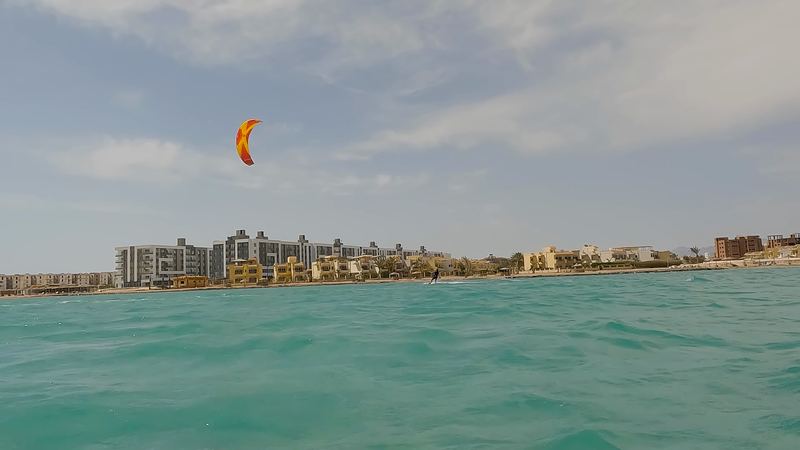
Wing foiling shares so much with kitesurfing and windsurfing that the question of what it actually is has practical consequences. Wikipedia notes that it matters whether kite bans at a spot also apply to wing foilers.
So before you rig up, check the local rules for the beach you are on. The spot map is a place to start, but local signage and the kite school on site are the final word.
Check local rules first
What to choose
There is no single right answer, and I would not rank one sport above the other. What fits depends on your wind, your spot and what you want from a session.
- If your local wind is often light and you want time on the water, a wing and a foil board are worth a look.
- If you want jumps and advanced tricks, kitesurfing gives you more room to progress, according to Northern Kites.
- If you are starting from zero and want a simpler first step, shops describe wing foiling as the easier entry.
- If you are unsure about board choice in kiting, the guide to board types explains twintip, surfboard and foil options.
For light-wind days specifically, the article on kitesurfing in light wind covers what works on the kite side, and the kite size calculator helps you pick a kite for the forecast.
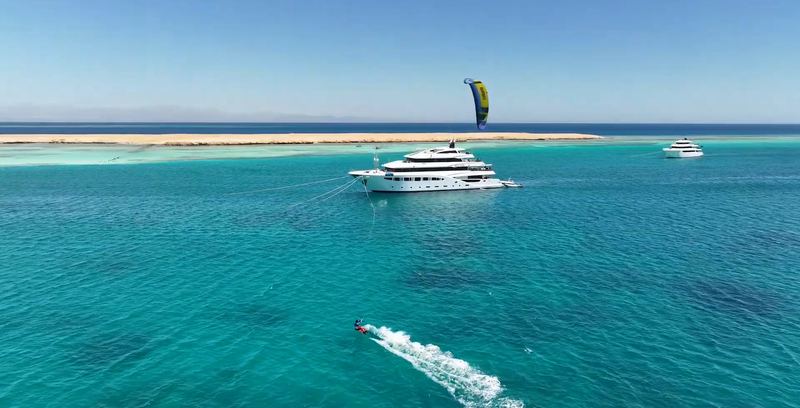
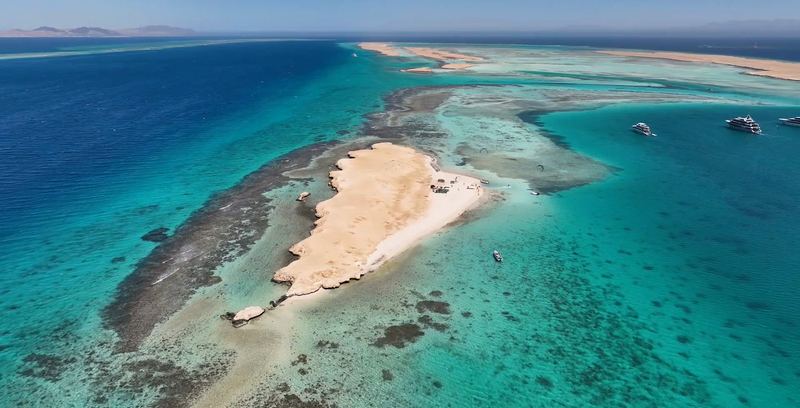
If you are heading to the Red Sea, storage for both kite and wing gear on the boat is included in the price of the kite safari, so a wing can come along.
Questions
What is wing foiling?
It is a wind sport where you stand on a board with a hydrofoil and hold an inflatable wing in your hands. There are no lines and no bar, and the wing is not attached to the board.
Is wing foiling easier than kitesurfing?
Shops such as Northern Kites say wing foiling is easier to learn and physically less demanding, while kitesurfing is harder and more demanding. That is their view, not a measurement.
How much wind does wing foiling need?
Small wings can plane at about 8 knots (4 m/s) on a foil board. Duotone lists 5.5-7.0 m² for 10-15 knots (5-8 m/s) and 3.0-4.5 m² for 20-30 knots (10-15 m/s).
Do kite bans at spots apply to wing foilers?
That is an open question. Because wing foiling shares a lot with kitesurfing, check the local rules at each spot before you launch.
Can I take a wing on a kite safari?
Storage for both kite and wing gear on the boat is included in the Paradise safari price, so a wing can travel with you.
Sources and fact checks (9)
- Wing foiling is a wind-powered water sport developed from kitesurfing, windsurfing and surfing, with the wing held in the hands. en.wikipedia.org (checked 25 October 2026)
- Small wings can plane at about 8 knots (4 m/s), and wings range from about 2.2 m² to 9 m². en.wikipedia.org (checked 25 October 2026)
- Whether kite bans at spots apply to wing foilers is an open question. en.wikipedia.org (checked 25 October 2026)
- Duotone sizes wings by wind, from 5.5-7.0 m² in 10-15 knots to 3.0-4.5 m² in 20-30 knots. www.duotonesports.com (checked 25 October 2026)
- Kite lines run 7-33 m, standard around 22 m, and most twintips struggle below 11 knots (6 m/s). en.wikipedia.org (checked 25 October 2026)
- Northern Kites states wing foiling is easier to learn and less physically demanding than kitesurfing. northernkites.co.uk (checked 25 October 2026)
- The foil is sharp, so a helmet, long wetsuit and impact vest are recommended. www.kitemana.com (checked 25 October 2026)
- Ozone's manual places wing learning on a SUP or windsurf board at Beaufort 3 (7-10 knots, 4-5 m/s). ozonekites.com (checked 25 October 2026)
- Storage for kite and wing gear on the boat is included in the Paradise safari price. paradisekitesurf.cz (checked 25 October 2026)